Volkswagen and Audi DSG / S tronic
Supported VAG applications include DQ200, DQ250, DQ380, DQ381 Gen 1 and Gen 2, DQ500, DL382, and DL501 families. Certain 2021-and-newer MK8 GTI, Golf R, and Audi S3 DQ381 controllers require a bench access step before OBD tuning.
BMW ZF 8HP and DKG
Support is available for many older and newer BMW ZF 8HP applications, including newer-generation controllers where access allows, plus BMW DKG Gen 1 and Gen 2 dual-clutch transmissions. The ECU and TCU plan should be matched when engine torque is increased.
Porsche PDK and VAG ZF applications
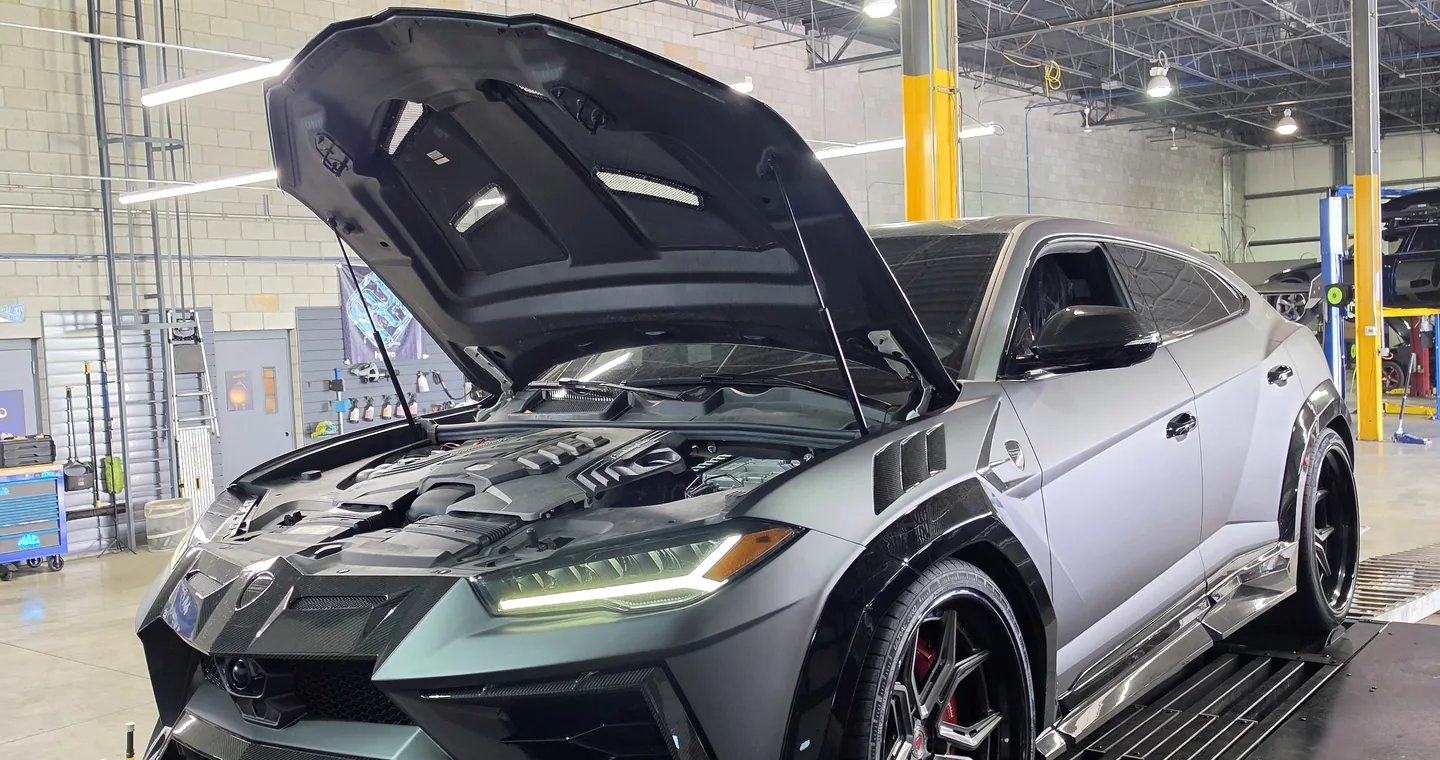
Supported families include Porsche PDK1, PDK2, and DL501 applications, plus VAG ZF controllers such as AL551, AL552/8HP65, and AL952/8HP95 used across select Audi, Bentley, Lamborghini Urus, Porsche, and Volkswagen models.
Mercedes, Jaguar/Land Rover, Lotus, Renault, and other support
Additional supported families include Mercedes 8G-DCT/Speedshift DCT, 9G-Tronic, and select older VGS/DCT controllers; Jaguar/Land Rover ZF 9HP48; Lotus Emira i4 8G-DCT; Renault/Alpine 7DCT300; and select additional applications. Exact support is confirmed by controller and software.
What a TCU tune can change
Depending on the platform, calibration can revise shift strategy, torque limits, clutch pressure, launch behavior, paddle response, kickdown behavior, and other drivetrain logic. Available changes differ by transmission; we do not promise a feature until support is confirmed.
Diagnosis and service still come first
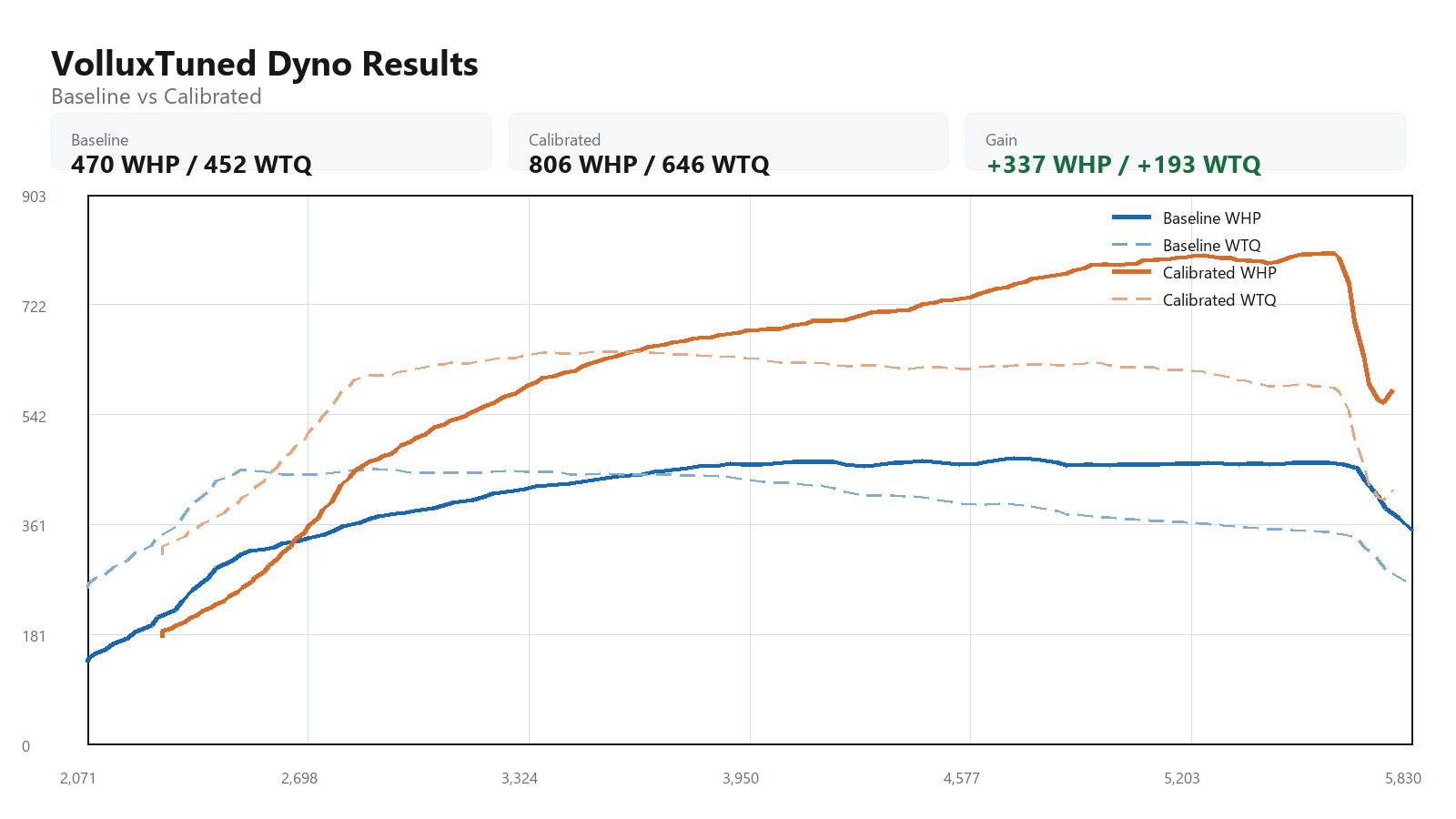
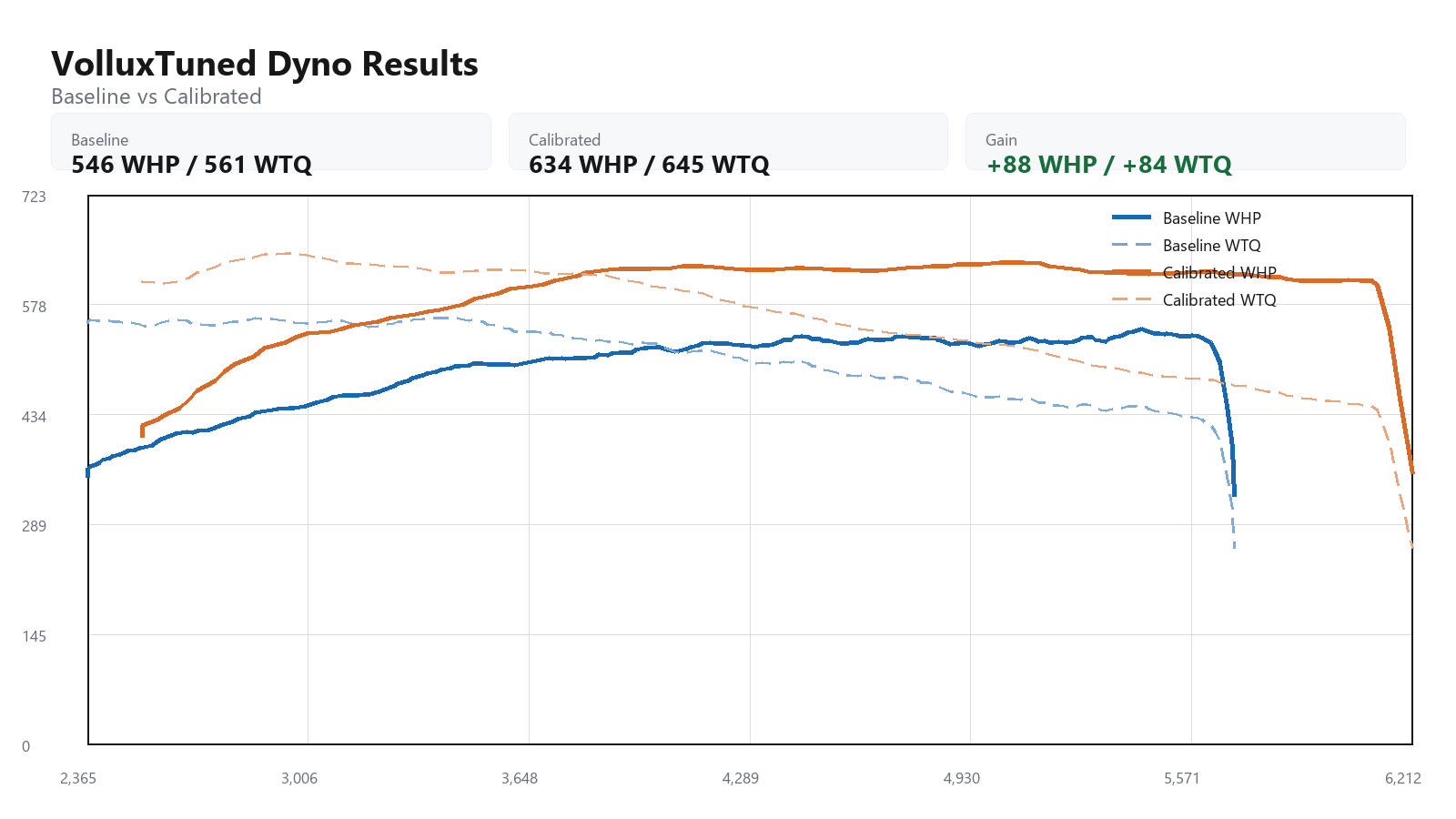
TCU software is not a repair for worn clutches, slipping, low fluid, hydraulic faults, adaptation problems, wiring issues, or an engine-side problem. We review faults and behavior before tuning, then use logs, road testing, or the AWD Dynojet to verify the result where appropriate.