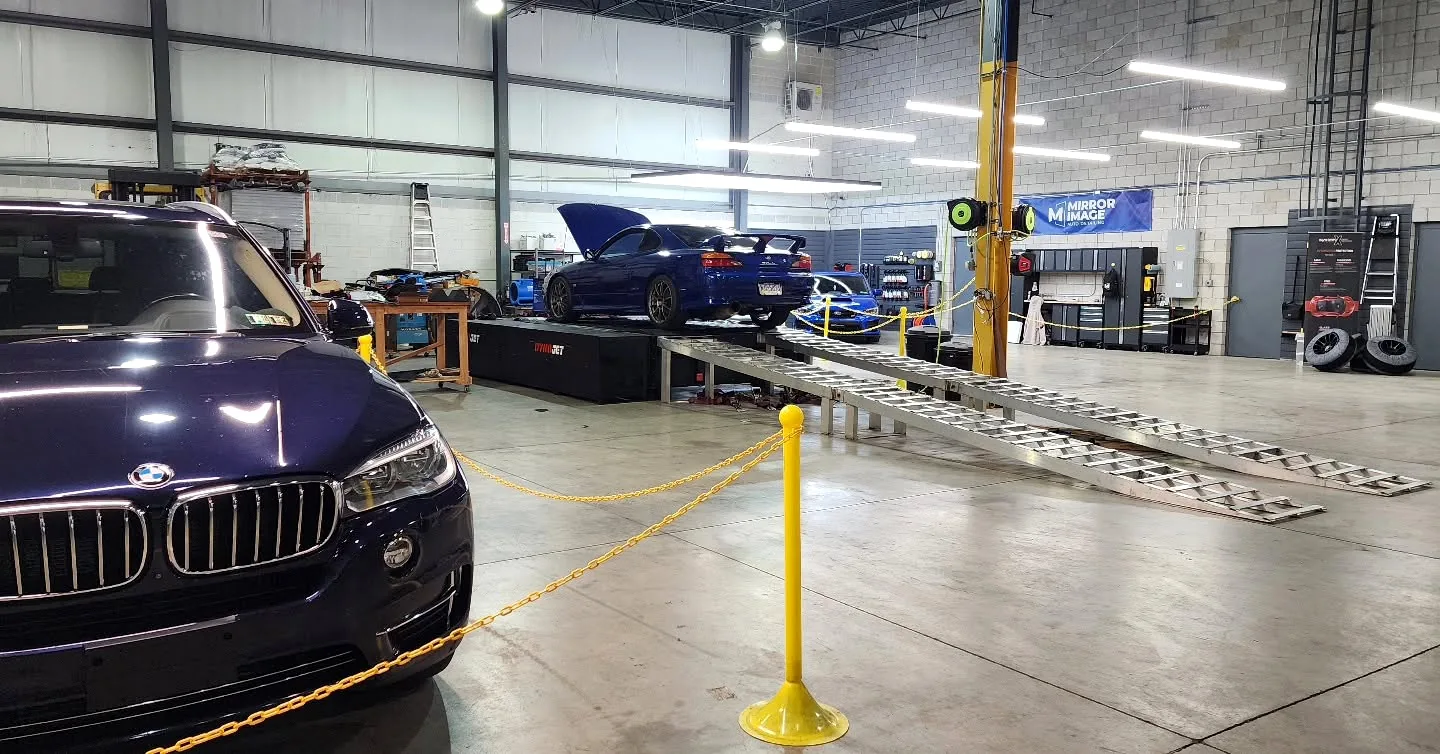
More than a generic inspection station
European vehicles can fail inspection for simple wear items, but emissions readiness, warning lights, electrical faults, tire condition, suspension wear, and brake issues can also complicate the process. We inspect the vehicle, use diagnostic equipment when a warning light or readiness issue needs answers, and explain the next step clearly if something needs attention.
What can affect inspection or emissions
A check engine light, incomplete monitors, weak tires, worn brakes, suspension play, lighting faults, exhaust issues, or battery-related readiness problems can all affect whether a vehicle passes.
- Warning lights and emissions monitor readiness.
- Brake, tire, steering, suspension, and lighting checks.
- Repair recommendations if the vehicle needs work before passing.
If your vehicle does not pass
We do not leave you with a vague failure. If repair is needed, we explain what was found, what is required, and what can be planned separately. If diagnosis is needed, we work through the system with the correct test path instead of clearing codes and hoping they stay gone.
Useful for newly purchased European vehicles
If you recently bought a European vehicle, inspection is a good time to understand tire condition, brake wear, leaks, suspension concerns, warning lights, and any service needs that may not have been obvious during the sale.