Washed paint still feels rough? Identify what remains.
A normal wash, an iron remover, a tar remover and clay each address different contamination. Choose the next step for what is actually on the finish instead of treating every mark with a stronger cleaner.
Current online prices and checkout are in our Shopify store.
Start with your question
Iron, tar or something bonded to the surface?
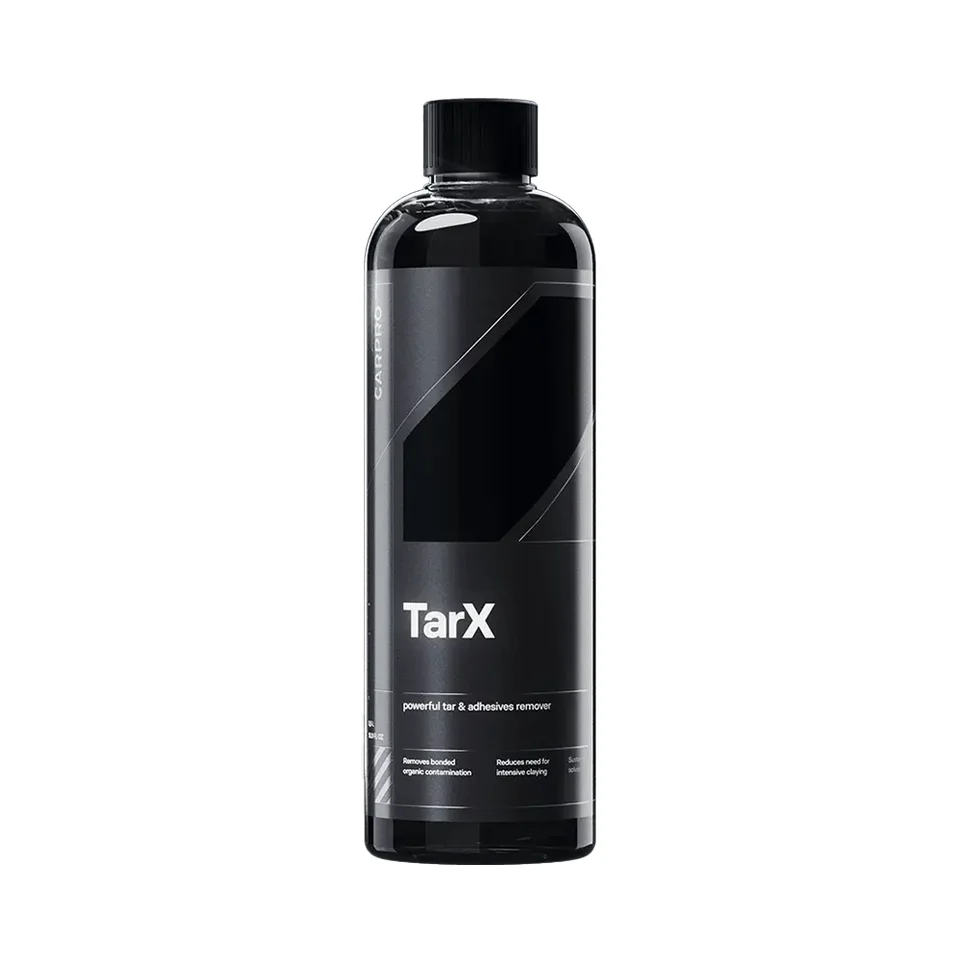
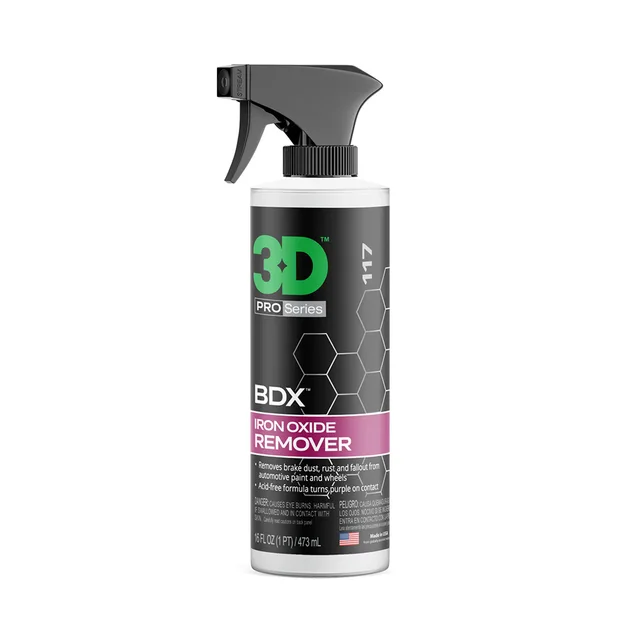
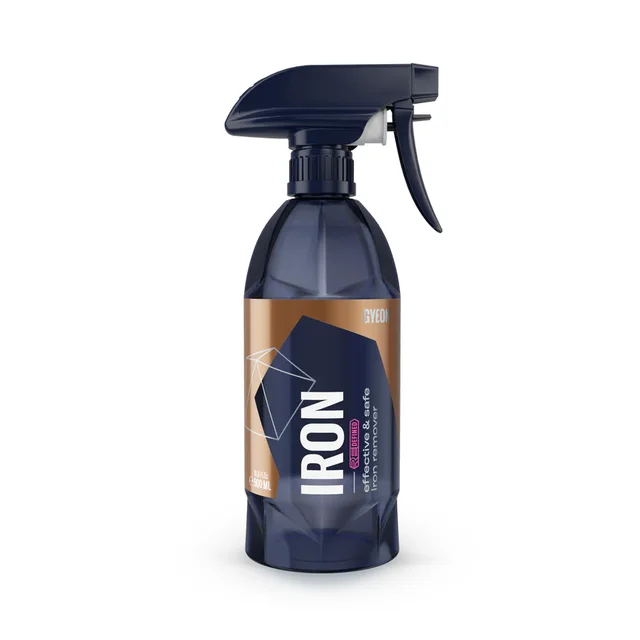
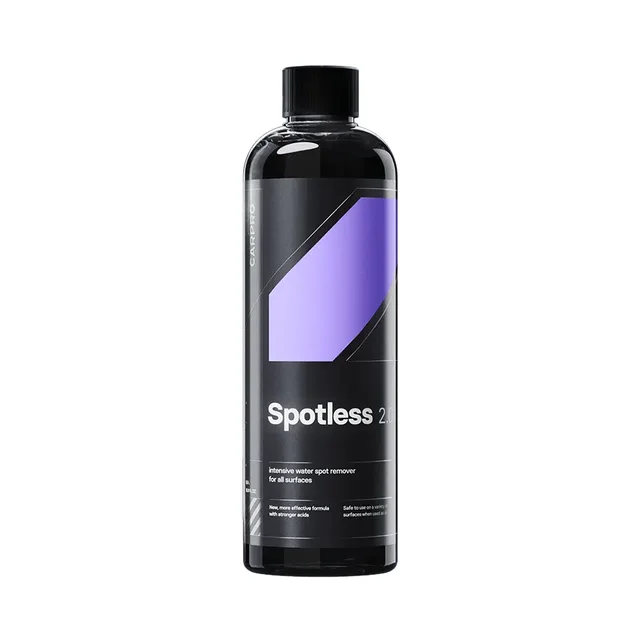
Compare BDX or GYEON Iron for ferrous contamination, TarX for suitable tar-removal work and Spotless for suitable mineral deposits. Match the product to the contamination and surface.
What does an iron remover do?
An iron remover targets ferrous contamination. It is not a general substitute for tar remover or scratch correction. Check the exact product's surface restrictions and ask Parts about the iron-removal options currently available.
CARPRO TarX is a tar and adhesive remover listed in our store. Use it only on compatible surfaces, follow the current directions and test inconspicuously. Take particular care with films, plastics and unknown finishes.
No. Clay is a mechanical decontamination method, not routine shampoo. Consider it only for suitable remaining bonded contamination, with compatible lubrication and a test area. It can mar the finish and may leave polishing work to do.
TarX, Spotless, 3D BDX and GYEON Iron are examples in our catalog. Ask Parts about current availability and suitable clay options; this is not a claim that every preparation product is stocked.
01
Tar & adhesive contamination
Compare CARPRO TarX for compatible tar and adhesive deposits. Follow the exact label and check surrounding materials.
Compare 3D BDX and GYEON Iron for compatible iron-removal work. Clay and lubricant are a separate choice if needed. Include the surface, coating or film when asking Parts for guidance.
CARPRO Spotless 2.0 is a separate water-spot treatment—not interchangeable with TarX or iron remover. Deposits and permanent etching are different concerns.
Choose your supplies, prepare the work area and follow the selected product’s instructions. Use the steps below to plan the job.
Wash and identify the concern
Start with a normal, suitable wash. Distinguish bonded contamination from stains, etching, scratches or failing paint. Stop and ask if the surface or defect is uncertain.
Choose one appropriate treatment
Use the exact label's compatibility, working conditions, dwell and removal instructions. Test inconspicuously, do not mix chemicals and do not let a product dry unless its directions specifically call for that.
Inspect before polishing or protecting
Remove the product fully as directed and reassess the surface. Only add mechanical decontamination or correction when justified, then follow the preparation requirements for your chosen protection.
Talk to someone local
Need help with this selection?
Ask about a specific product, size or quantity. Your inquiry goes straight to our Parts department.
Talk to Parts
Check products, plan pickup or ask about wholesale.
Send product names, sizes and quantities to Parts. For pickup, tell us the day you have in mind. We will reply to confirm what is available and discuss pickup arrangements.
Connecting to our shop system…
Sent to our Parts department.
We will reply using the contact information you provided. If you requested pickup, please wait for confirmation of availability and pickup arrangements.
Before you visit
A few useful answers.
Does clay remove swirls and scratches?
No. It removes suitable bonded surface contamination through mechanical action and can cause marring. Polishing is a separate process, and not every paint defect can or should be polished away.
Can I use the same process on a wrap or matte paint?
Do not assume so. Follow the finish or film manufacturer's care guidance and the exact chemical's approved surfaces. Ask before applying a generic painted-car routine to a different finish.